Love Your Liver: 6 Foods That Help You Stay Healthy In Midlife
"Learning how your body's own detoxification system works, and how to optimize its function, is key to achieving and maintaining optimal health. There is no great mystery on how to do this." Dr Mark Hyman, founder and medical director of The UltraWellness Center and author of UltraMind Solution.
When was the last time you thought about your liver?
If you're like most people, probably not recently.
Yet your liver is one of the hardest-working organs in your body. Every minute of every day, it quietly performs more than 500 different jobs to keep you alive and well.
It produces bile to help digest your food. It regulates your blood sugar between meals. It stores vitamins and minerals until your body needs them. It manufactures proteins that help your blood clot. It helps regulate cholesterol. It processes hormones once they've done their job. It supports your immune system. It breaks down alcohol, medications and environmental chemicals before they can build up in your body.
And while it's doing all of that, it receives around a quarter of your heart's blood supply every minute.
It's rather extraordinary.
Unlike your heart, you can't feel it beating.
Unlike your lungs, you don't notice it working.
Your liver is like a 24-hour chemical processing plant, working tirelessly behind the scenes without asking for recognition.
Perhaps most remarkable of all, it is one of the very few organs capable of regenerating itself. If part of a healthy liver is removed - for example during surgery - it can grow back to much of its original size over the following weeks and months. Few organs in the human body have this remarkable ability.
The better we care for our liver throughout life, the better equipped it is to continue carrying out its countless jobs that help us stay energetic, resilient and healthy as we age.
Why liver health matters in midlife
As we move through our 50s and 60s, many people begin to focus on keeping their heart healthy, strengthening their bones or protecting their memory. All of these are important - but your liver deserves a place on that list too.
Your liver influences far more than most people realise.
A healthy liver helps to:
regulate blood sugar levels
maintain healthy cholesterol
digest and absorb fats
process hormones, including oestrogen and testosterone
support your immune system
help control inflammation
store important vitamins and minerals
convert nutrients from food into forms your body can use
remove waste products from your bloodstream
Because these jobs affect almost every organ in your body, looking after your liver can have far-reaching benefits - not just for your brain, but for your energy, metabolism, cardiovascular health and overall wellbeing.
Think of your liver as one of your body's busiest organs. The more support you give it, the more efficiently it can do the work that keeps you healthy.
What makes life harder for your liver?
Our liver is remarkably resilient, but modern life places demands on it that previous generations rarely experienced.
Some of the biggest challenges include:
drinking too much alcohol
eating a diet high in ultra-processed foods
consuming excess sugar, particularly in processed foods and sugary drinks
carrying excess weight around the waist
taking medications that require processing by the liver
exposure to environmental pollutants and chemicals
smoking
chronic inflammation
physical inactivity
The encouraging news is that our liver responds remarkably well to healthy lifestyle choices. One of the simplest ways to support it is by providing the nutrients it needs to carry out its natural functions efficiently.
Here are seven foods that do exactly that.
1. Green leafy vegetables
Spinach, kale, rocket, Swiss chard and watercress are among the most nutrient-dense foods you can eat.
They are particularly rich in folate, a B vitamin involved in many essential metabolic processes, including those that support the liver's natural detoxification pathways. They also provide antioxidants, vitamin K, magnesium and fibre, all of which contribute to overall health.
Rather than thinking of leafy greens as simply "healthy vegetables," think of them as providing some of the raw materials your liver needs to carry out hundreds of daily chemical reactions.
Try this: Add a generous handful of spinach or rocket to your lunch every day, or stir spinach into soups, omelettes or casseroles.
2. Protein-rich foods
Your liver relies on amino acids - the building blocks of protein - to produce many of the compounds involved in its normal detoxification processes.
Good-quality protein also supports muscle maintenance, healthy ageing and stable blood sugar levels, making it especially important in midlife.
Excellent choices include:
eggs
fish
chicken
Greek yoghurt
beans
lentils
Eggs deserve a special mention because they are also rich in choline, an essential nutrient that helps transport fat out of the liver and supports normal liver function.
Try this: Aim to include a source of protein with each meal rather than saving most of it until the evening.
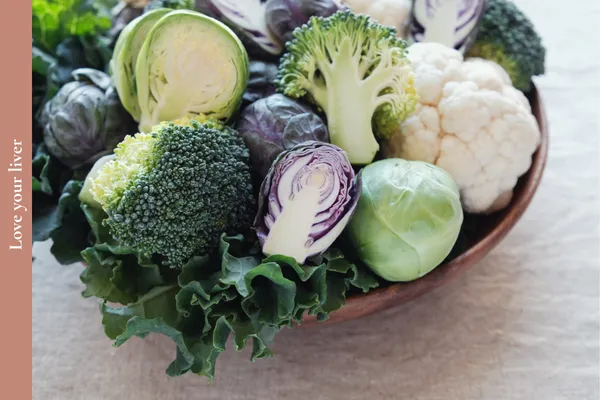
3. Cruciferous vegetables
Broccoli, cauliflower, Brussels sprouts, cabbage and kale belong to a family of vegetables known as the cruciferous vegetables.
These vegetables contain natural compounds called glucosinolates, which are converted into biologically active substances that help activate the liver's own detoxification enzymes.
They are also packed with fibre, vitamin C and antioxidants, making them powerful foods for healthy ageing.
Interestingly, eating more cruciferous vegetables has also been associated with a lower risk of several types of cancer, adding another reason to include them regularly.
Try this: Roast broccoli or cauliflower with olive oil and herbs, or add shredded cabbage to salads and stir-fries.
4. Vitamin C-rich fruits
Oranges, lemons and kiwis are excellent sources of vitamin C, one of the body's best-known antioxidants.
Vitamin C helps protect cells - including liver cells - from oxidative stress. It also helps regenerate other antioxidants that the body uses repeatedly.
Oranges and lemons have another interesting feature. Their peel contains a naturally occurring plant compound called d-limonene, which gives citrus fruits their distinctive fresh aroma.
Researchers are increasingly interested in d-limonene because of its antioxidant and anti-inflammatory properties, and early research suggests it may help support the liver's natural detoxification processes. Although research is still developing, it highlights the remarkable health-promoting compounds found in whole foods.
Try this: Enjoy an orange or kiwi as part of breakfast or as an afternoon snack. When using lemons, choose unwaxed fruit and grate a little zest into dressings, yoghurt or roasted vegetables.
5. Berries
Blueberries, raspberries, strawberries and blackberries are small but incredibly powerful.
They are packed with flavonoids and other polyphenols - natural plant compounds that help protect cells from oxidative stress and inflammation.
Because oxidative stress contributes to ageing throughout the body, berries help support not only the liver but also the heart, blood vessels and brain.
Their high fibre content also helps support healthy blood sugar levels and feeds beneficial gut bacteria, which indirectly benefits liver health too.
Try this: Add a handful of berries to porridge, natural yoghurt or enjoy them as a simple dessert.
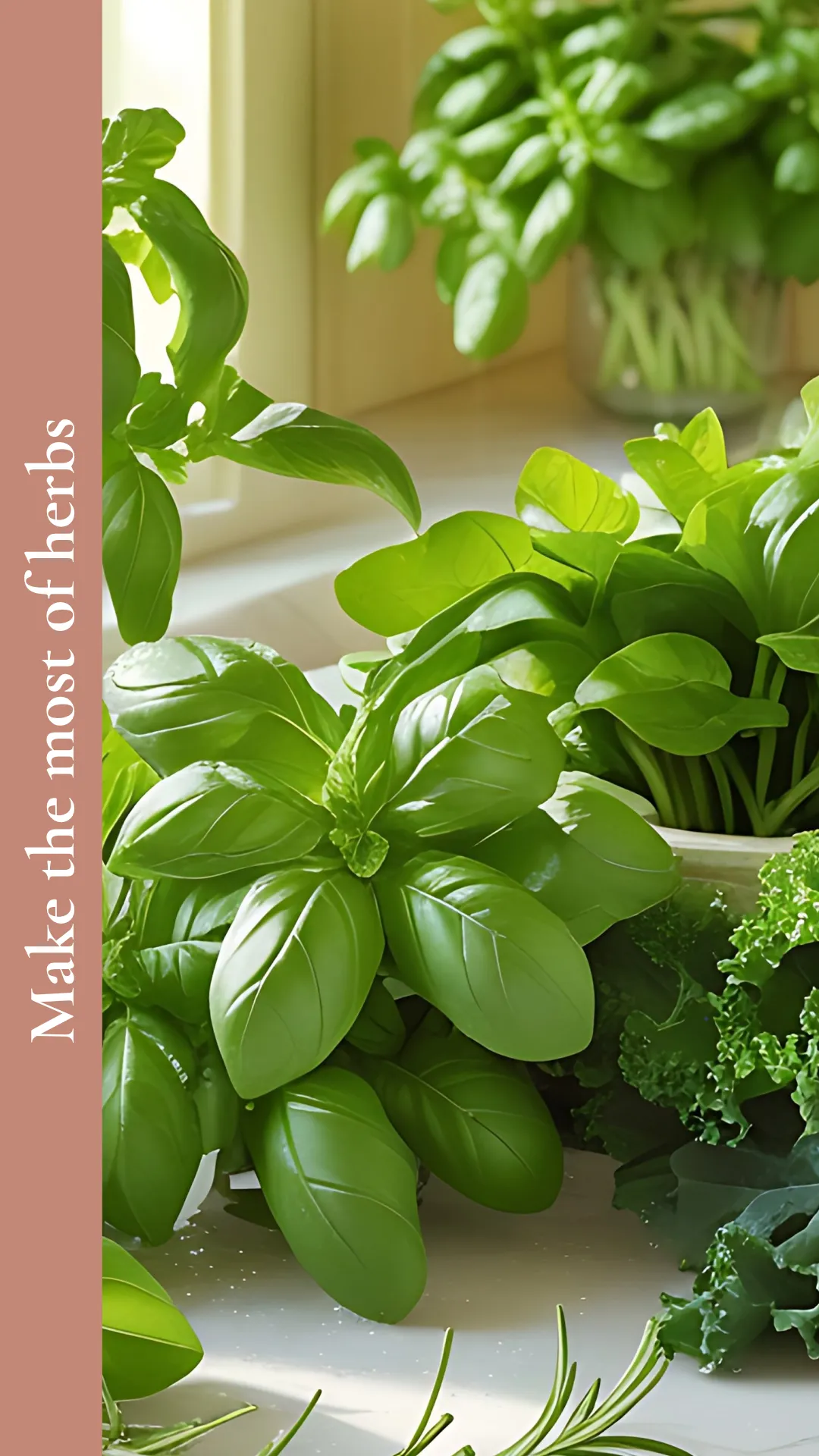
6. Fresh herbs
Fresh herbs do far more than make food taste better - they're packed with natural plant compounds that help protect your body from oxidative stress and inflammation.
Herbs such as parsley, coriander and rosemary are particularly rich in antioxidants called polyphenols. These compounds help neutralise free radicals before they can damage cells, including those in the liver.
Rosemary contains compounds such as carnosic acid and rosmarinic acid, which have been widely studied for their antioxidant and anti-inflammatory properties. Parsley provides vitamin C, vitamin K and flavonoids, while coriander contributes a range of beneficial polyphenols and volatile oils that support overall health.
Although you only use herbs in small quantities, they are incredibly concentrated sources of protective plant compounds. In fact, some herbs contain higher levels of antioxidants per gram than many fruits and vegetables.
One of the easiest ways to increase your intake is simply to use fresh herbs more generously in everyday cooking.
Try this: Sprinkle chopped parsley over vegetables, salads and fish, stir coriander through curries and chilli, or add fresh rosemary when roasting vegetables or chicken.
It's the overall pattern that matters
With so much marketing around "detox diets" and expensive cleansing products, it's easy to think that supporting your liver requires dramatic action.
However, for the most part, what it needs are the nutrients that allow it to perform its own remarkable functions efficiently.
No single food will transform your liver overnight, just as no single unhealthy meal will permanently damage it.
It's the pattern of your eating over weeks, months and years that makes the greatest difference.
Every colourful salad, every serving of vegetables, every handful of berries and every protein-rich meal provides another opportunity to give your liver some of the raw materials it needs to keep doing its extraordinary work.
A remarkable organ worth protecting
Your liver has been faithfully looking after you since before you were born.
It has worked every minute of every day, processing nutrients, regulating your metabolism, supporting your immune system and protecting your body from potentially harmful substances - all without asking for any attention.
Looking after it doesn't require perfection.
It simply means consistently providing your body with nourishing foods, staying active, getting enough sleep and limiting the things that place unnecessary strain on it.
Your liver is remarkably resilient. It has an impressive ability to repair, regenerate and adapt when given the right support.
By choosing foods that nourish it today, you're investing not only in your liver, but also in your energy, your resilience and your long-term health.
Your future self will benefit from every healthy choice you make.