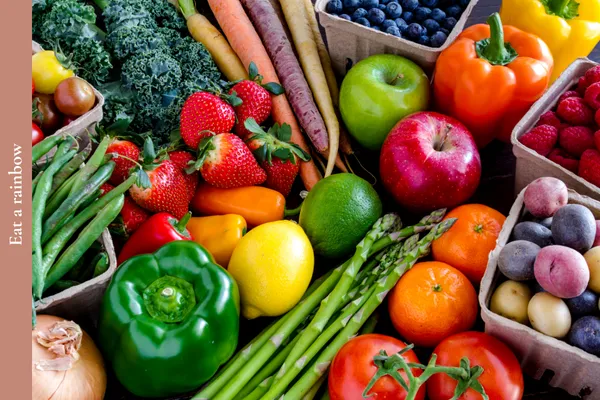
Eat A Rainbow: How Colourful Foods Boost Memory And Mood In Midlife
"If you were to do nothing else to change your diet except eat more colourful fruits and vegetables, you would still get enormous benefits from the nurtients, vitamins, and minerals they contain, which your body needs for robust health." Dr Daniel Amen, author of Memory Rescue.
Ever since I was a child I can remember hearing sayings like “eat your greens” and “an apple a day keeps the doctor away.” Modern science confirms they were excellent advice.
Long before we understood antioxidants, fibre, polyphenols, or the gut–brain axis, we recognised that fruit and vegetables mattered. Today we know why: colourful plant foods are one of the most powerful tools available for protecting heart health, eye health, metabolic stability, immune function - and brain performance.
And midlife is the perfect time to take them seriously.
In your 50s and 60s, small biological shifts start to take place; inflammation can quietly rise, blood vessels lose some flexibility, hormones fluctuate, stress accumulates, and subtle changes in memory or mood can begin to appear.
The encouraging truth is this: food remains one of the most direct ways to influence how you age.
Eating a rainbow doesn't just make food more appealing.
It’s biologically essential.
The Science Behind Each Colour
Blue & Purple
(Blueberries, blackberries, grapes, red cabbage, aubergine)
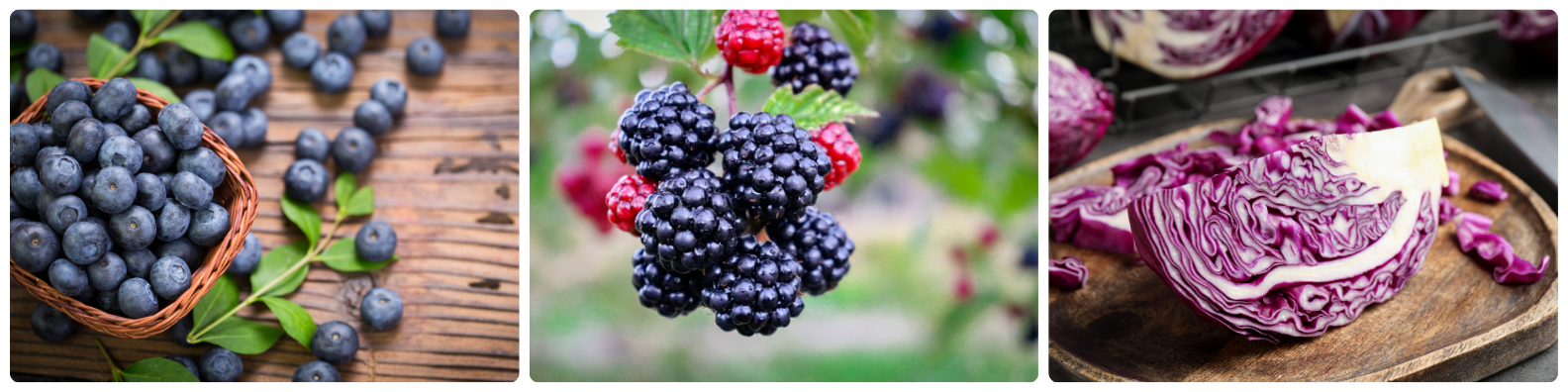
Key compounds: Anthocyanins and polyphenols
These deep pigments act as powerful antioxidants. They:
Reduce oxidative stress throughout the body
Protect blood vessels
Improve circulation
Support cognitive performance
Anthocyanins cross the blood–brain barrier and help protect neurons from damage. Research links regular blueberry intake with improved memory and slower cognitive ageing.
But the benefits go beyond the brain.
Polyphenols support heart health by improving endothelial function (the lining of blood vessels), reducing blood pressure, and lowering inflammation - all crucial in midlife.
Blue and purple foods support both cardiovascular and cognitive longevity.
Red
(Tomatoes, strawberries, cherries, red peppers, pomegranate)
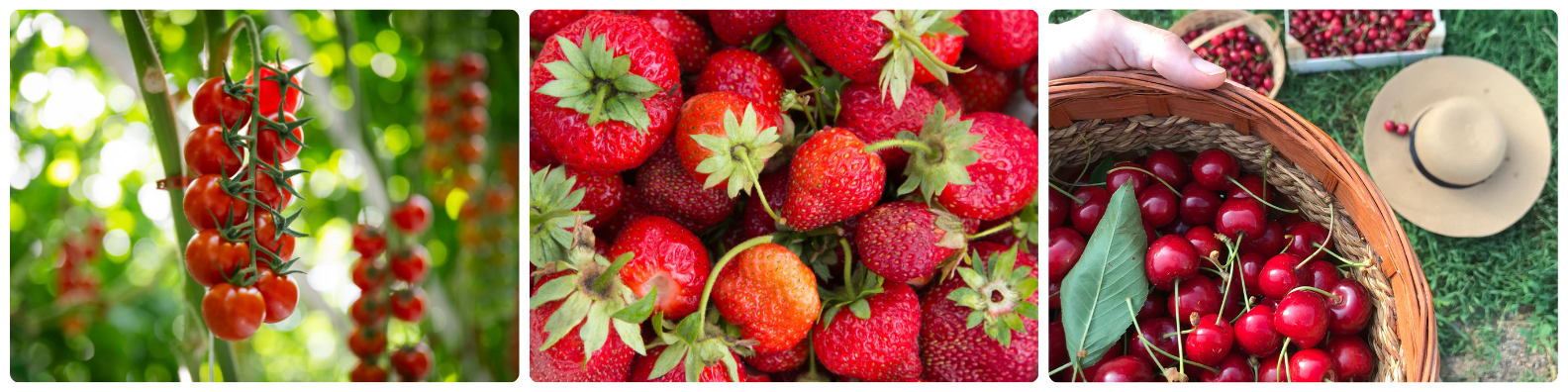
Key compounds: Lycopene, vitamin C, flavonoids
Red foods are particularly supportive of circulation and cellular protection.
Lycopene has been associated with reduced risk of cardiovascular disease and prostate health support.
Vitamin C strengthens the immune system and supports collagen production (important for skin, joints and blood vessels).
Flavonoids improve blood flow - benefiting both heart and brain.
Higher flavonoid intake has also been associated with lower depressive symptoms and improved cognitive function.
Red foods help protect arteries, support immune resilience, and contribute to mental clarity.
Orange & Yellow
(Carrots, sweet potatoes, pumpkin, lemon, mango, yellow peppers)
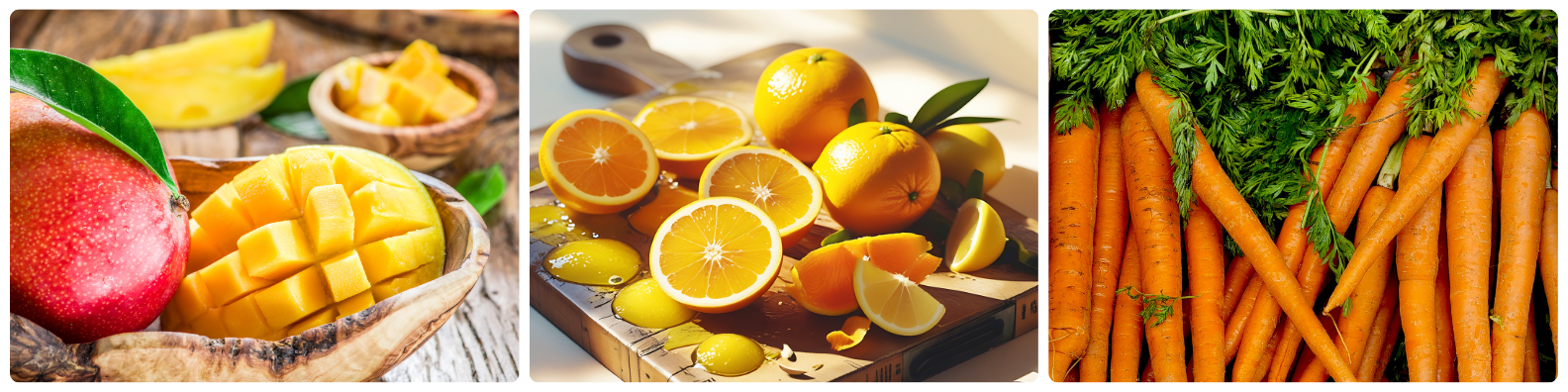
Key compounds: Beta-carotene, carotenoids, vitamin C
Orange and yellow foods are particularly important in midlife for eye health.
Carotenoids such as beta-carotene, lutein and zeaxanthin:
Protect the retina
Reduce risk of age-related macular degeneration
Support visual sharpness
Act as antioxidants in brain and skin tissue
Vitamin C also plays a role in immune defence and helps regulate stress hormones.
Carotenoid-rich diets are associated with lower inflammation levels and improved psychological wellbeing. So while these foods support vision, they also support mood stability and long-term cognitive protection.
If you want to protect both eyesight and insight, orange and yellow foods deserve regular space on your plate.
Green
(Spinach, kale, broccoli, rocket, Swiss chard, avocado)
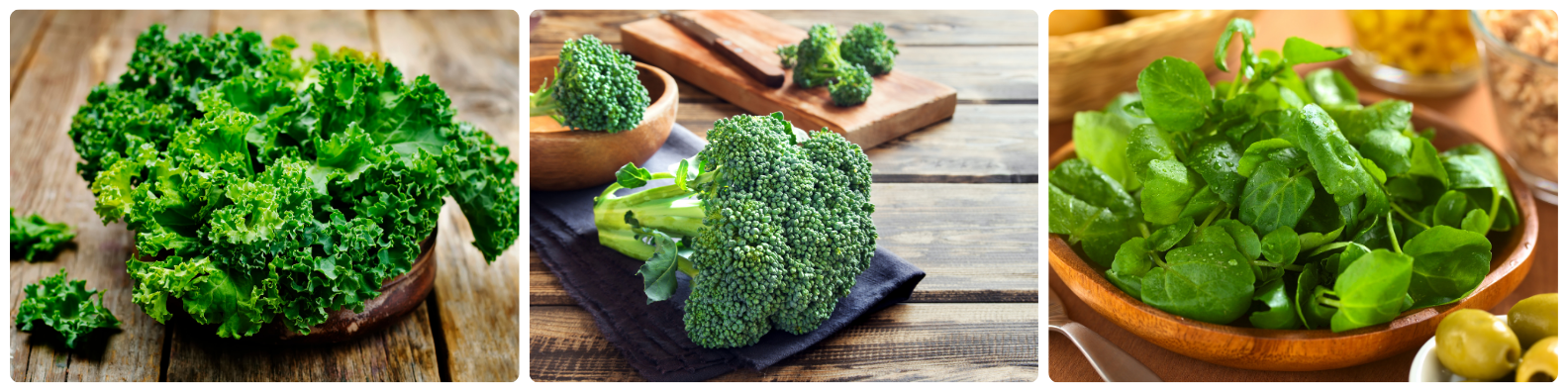
Key compounds: Folate, magnesium, vitamin K, lutein, fibre
Leafy greens support multiple systems simultaneously.
Folate supports DNA repair and neurotransmitter production.
Magnesium regulates blood pressure, supports muscle relaxation and stress resilience.
Vitamin K contributes to bone health and cognitive function.
Lutein accumulates in both the retina and brain tissue, supporting visual processing and memory.
Green vegetables are also rich in fibre, which supports gut health, blood sugar regulation and cholesterol control.
Low magnesium and folate levels have been associated with low mood and fatigue. Increasing greens can positively influence both mental and metabolic health.
Green foods support strong bones, steady nerves, healthy blood vessels, and clearer thinking.
White & Light-Coloured Foods
(Garlic, onions, mushrooms, cauliflower)
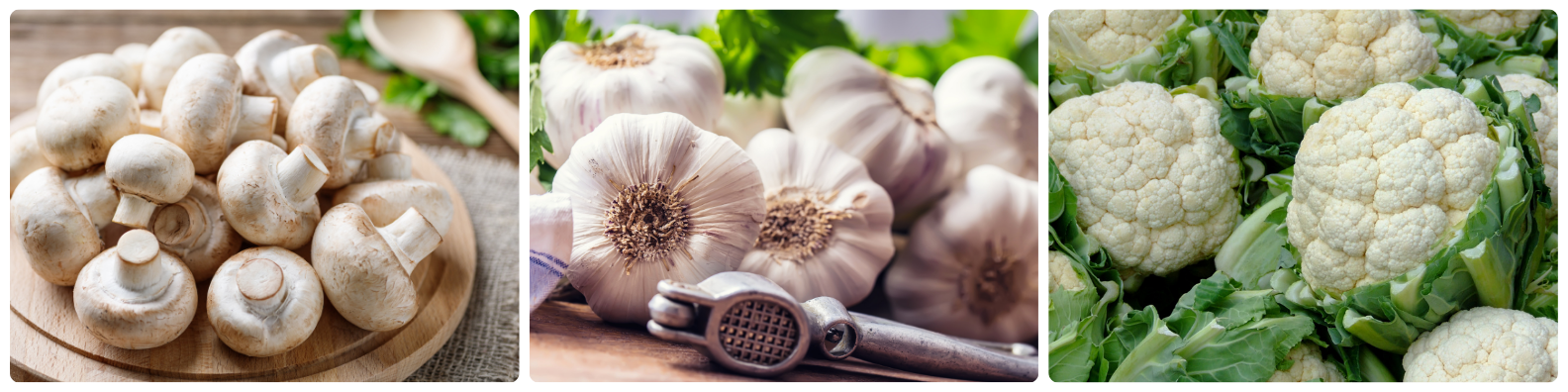
Key compounds: Allicin, selenium, beta-glucans, prebiotic fibres
These foods play a critical role in immune and gut health.
Garlic’s allicin supports circulation and immune defence. It is released when garlic is crushed or chopped.
Mushrooms provide selenium and beta-glucans, supporting immune regulation and potentially reducing inflammation.
Onions and garlic contain prebiotic fibres that nourish beneficial gut bacteria.
The gut microbiome influences immune balance, metabolic stability, and mental health through the gut–brain axis.
A healthier gut environment supports stronger immunity and a more stable mood.
Four Practical Ways To Eat A Rainbow
You don’t need to overhaul your diet overnight. Just pick one of the following and make a start.
1. Enjoy Salads, Soups and Casseroles
These three formats make variety effortless.
Salads allow you to combine multiple raw colours in one bowl.
Soups blend different vegetables together for an easy increase in intake.
Casseroles make it simple to layer onions, peppers, greens and root vegetables into one dish.
Batch cooking once or twice a week ensures colourful options are always available.
2. Include At Least One Fruit Or Vegetable With Every Meal
Adding one plant at breakfast, lunch and dinner quickly multiplies your weekly intake.
Berries with yoghurt
Spinach in eggs
A side salad with lunch
Roasted vegetables with dinner
Whole fruit provides fibre and plant compounds that juice does not. The structure of the plant matters.
3. Use Fresh, Frozen Or Tinned
Nutritional value does not depend on perfection.
Frozen vegetables are often picked and frozen at peak nutrient density.
Tinned tomatoes, beans and pulses are convenient and affordable.
Fresh produce offers texture and variety.
All three count. The goal is variety, not culinary performance.
4. Aim For 15 Different Fruit And Vegetables A Week
Then add one new one each week until you reach 30.
Research suggests diversity in plant intake improves gut microbiome diversity - and gut diversity is linked with better immune regulation and metabolic health.
Start by tracking how many different plants you eat in a week.
If you’re at 10, aim for 15.
Once you reach 15, add one new variety each week.
Over time, work toward 30 different plant foods weekly.
Diversity builds resilience.
The Bigger Picture
Eating a rainbow fundamentally provides the body and brain with the nutrients they need to function optimally.
The same colourful foods that support heart health and vision also support your brain. They improve circulation to memory centres, reduce inflammation that can cloud thinking, and provide the nutrients needed for steady mood and mental clarity.
In midlife, these connections matter more. Memory and mood reflect what’s happening throughout the body - and colourful plant foods strengthen the systems that keep both stable.
So when you add more colour to your plate, you’re doing more than improving the look and taste of a meal. You’re investing in clearer thinking, steadier emotions and long-term vitality.